Industry Knowledge
The Significance of Molybdenum in Electrodes
High Melting Point: The Foundation of Durability
Molybdenum possesses an extraordinarily high melting point of 2,623 degrees Celsius (4,753 degrees Fahrenheit), ranking it among the elements with the highest melting points. This exceptional property is a cornerstone of its significance in electrode applications.
The high melting point of molybdenum is pivotal in various industrial processes where extreme temperatures are encountered. In the realm of materials processing, where electrodes are exposed to intense heat, molybdenum electrodes shine. They can withstand the searing temperatures required for applications like glass melting and metalworking, ensuring the structural integrity of the electrode and the consistency of the process.
The ability to endure extreme temperatures without degradation makes
molybdenum electrodes indispensable in industries that rely on high-temperature operations. Whether it's in the glass industry's crucibles or in the heart of an electric arc furnace, molybdenum's high melting point ensures the reliability and longevity of the electrodes.
Superior Thermal Conductivity: Enhancing Efficiency
Another significant property of molybdenum is its excellent thermal conductivity. Thermal conductivity refers to a material's ability to transfer heat efficiently. In the context of electrodes, especially those used in applications like glass melting and electrical discharge machining (EDM), thermal conductivity is a critical factor.
Molybdenum's high thermal conductivity enables it to efficiently transfer heat from the electrode to the workpiece or the surrounding medium. This property is crucial in maintaining uniform and controlled heating during materials processing. It ensures that the energy supplied to the electrode is effectively distributed, preventing localized hotspots that could lead to electrode failure or uneven processing.
In processes like EDM, where precision is paramount, molybdenum's superior thermal conductivity aids in achieving the desired level of accuracy. It allows for controlled and predictable material removal, resulting in intricate and precise machined components.
Low Thermal Expansion: Maintaining Structural Integrity
Molybdenum also boasts a low coefficient of thermal expansion. Thermal expansion refers to a material's tendency to expand or contract with changes in temperature. In the context of electrode applications, low thermal expansion is a significant advantage.
When electrodes are exposed to high temperatures, they can undergo expansion, which, if not controlled, may lead to warping or deformation. Molybdenum's low thermal expansion coefficient mitigates this risk by minimizing dimensional changes as the electrode heats up. This property helps maintain the structural integrity and dimensional stability of molybdenum electrodes under extreme thermal conditions.
In applications where precision is paramount, such as semiconductor manufacturing or EDM, maintaining the shape and dimensions of the electrode is crucial. Molybdenum's low thermal expansion ensures that the electrode remains consistent in size and shape, allowing for precise and repeatable processing.
The Diverse Applications of Special-Shaped Molybdenum Electrodes
Glass Melting and Forming:
The glass industry heavily relies on special-shaped molybdenum electrodes for glass melting and forming processes. Molybdenum's unique properties are particularly well-suited to this demanding application:
Glass Melting Furnaces: Molybdenum electrodes are used as heating elements in high-temperature glass melting furnaces. The exceptional heat resistance of molybdenum ensures that these electrodes can withstand the extreme temperatures required for melting raw materials and producing molten glass.
Uniform Heating: Molybdenum's high thermal conductivity facilitates uniform heating, which is crucial in glass manufacturing to maintain the quality and consistency of the final product. It ensures that the entire glass batch is evenly melted, reducing defects and variations in glass composition.
Glass Forming: Beyond melting, molybdenum electrodes are also used in glass forming processes. They help shape and manipulate the molten glass into desired forms, whether it's for creating glass sheets, containers, or intricate glassware.
Optical Lens Production: Molybdenum electrodes play a vital role in the production of precision optical lenses. The high precision achievable with molybdenum electrodes ensures that lenses are manufactured with the required specifications for optical clarity and performance.
Electrical Discharge Machining (EDM):
Electrical Discharge Machining, or EDM, is a highly precise machining method used in industries like aerospace, automotive, and toolmaking. In EDM, molybdenum electrodes are employed as tools to erode workpieces with electrical discharges. Here's why molybdenum is favored in this application:
High Purity: Molybdenum electrodes are typically made from high-purity molybdenum, which reduces the risk of contamination and ensures precise material removal during EDM processes.
High Melting Point: The intense heat generated during EDM can quickly degrade conventional electrode materials. Molybdenum's high melting point allows it to withstand these extreme temperatures without significant wear, ensuring long-lasting and consistent performance.
Thermal Conductivity: Molybdenum's excellent thermal conductivity helps dissipate heat generated during EDM efficiently. This aids in achieving accurate and controlled material removal, critical for creating intricate shapes and fine details.
Semiconductor Manufacturing:
Ion Implantation: Ion implantation is a fundamental step in semiconductor device manufacturing, where ions of specific elements are implanted into a silicon wafer to alter its electrical properties. Molybdenum electrodes are used in ion implanters to generate and accelerate ions. The high-purity and temperature resistance of molybdenum are crucial in maintaining the integrity of the ionization process.
Chemical Vapor Deposition (CVD): In CVD processes, thin films of various materials are deposited onto semiconductor wafers. Molybdenum electrodes are employed in CVD reactors to create plasma, which is essential for the deposition process. Molybdenum's purity and resistance to high temperatures and corrosive chemicals make it an ideal choice for these critical applications.
Medical Device Production:
The medical device industry benefits from the precision and reliability of molybdenum electrodes in the manufacturing of various medical devices:
Diagnostic Equipment: Molybdenum electrodes are used in the production of components for diagnostic equipment such as X-ray tubes and medical imaging devices. Their precision ensures the accuracy and quality of medical imaging, which is vital for diagnosis and patient care.
Surgical Instruments: Surgical instruments, especially those requiring fine and intricate features, rely on molybdenum electrodes for manufacturing. The precision and durability of molybdenum electrodes contribute to the production of high-quality surgical tools used in medical procedures worldwide.
 English
 中文简体
中文简体

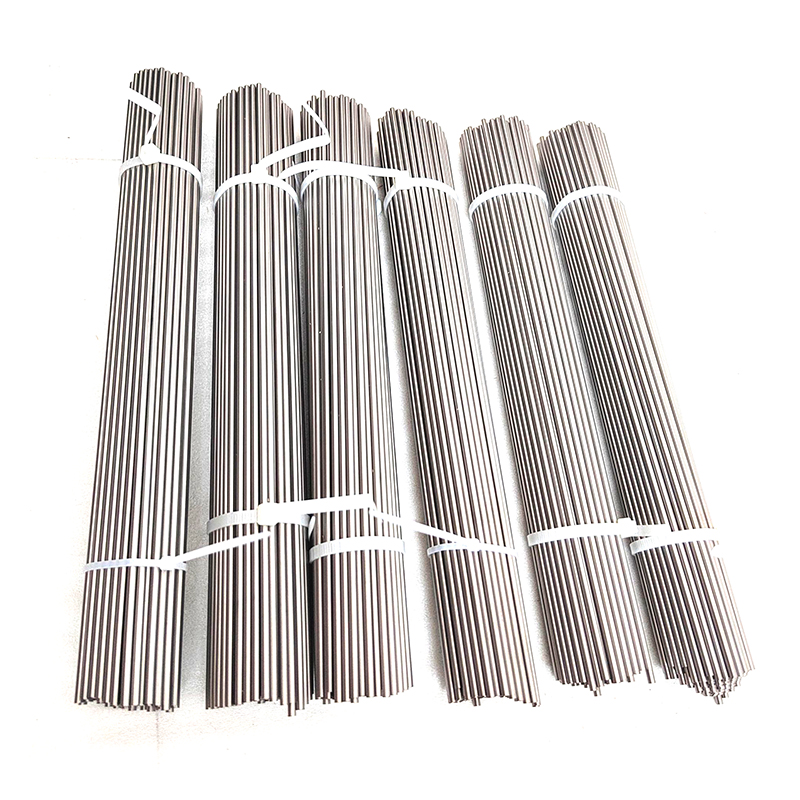
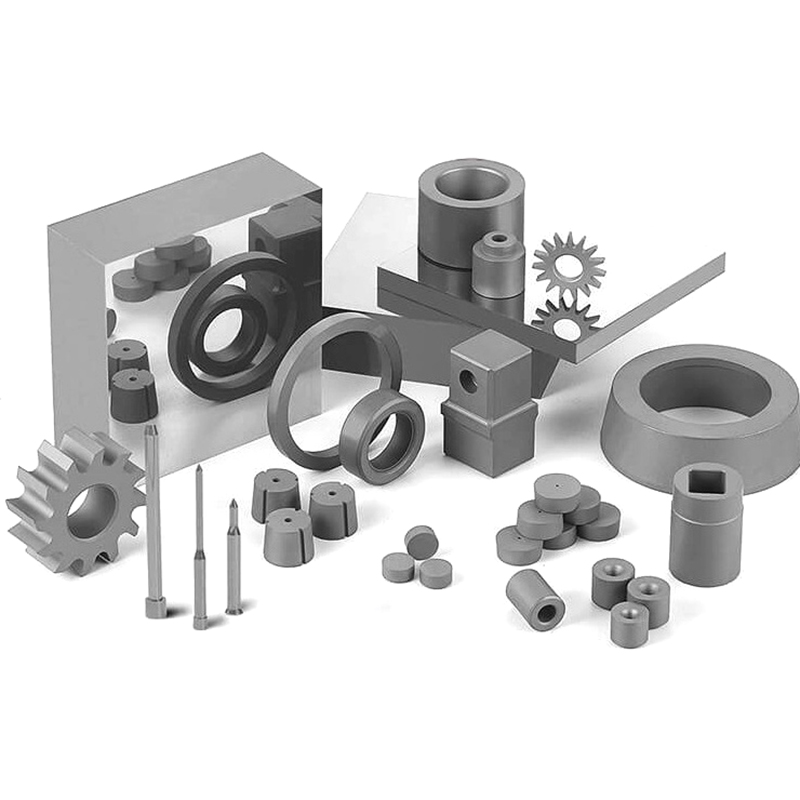














 Custom Special Shaped Molybdenum Electrode Manufacturers