Industry Knowledge
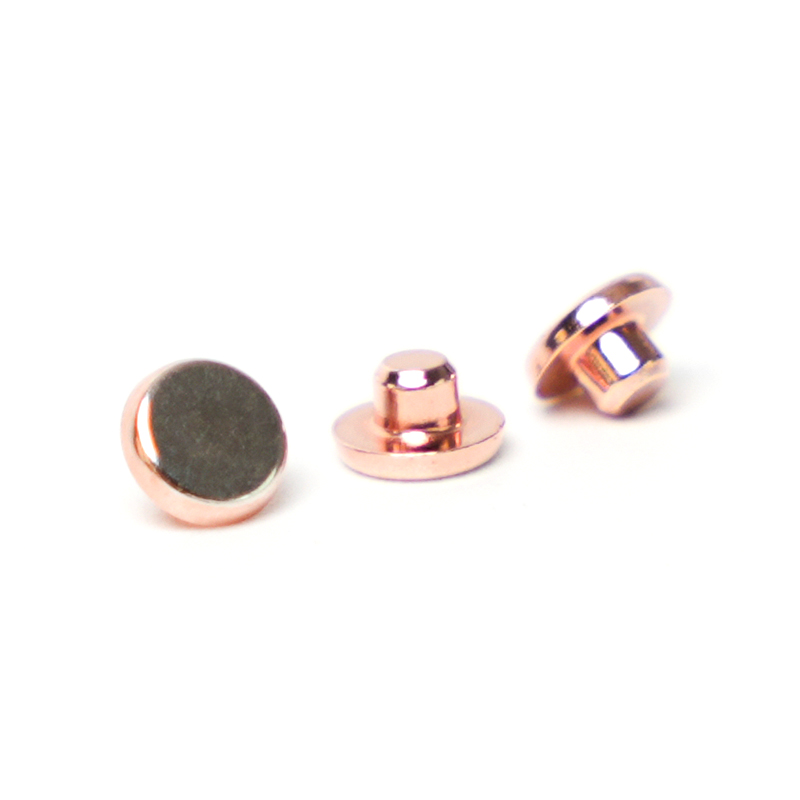
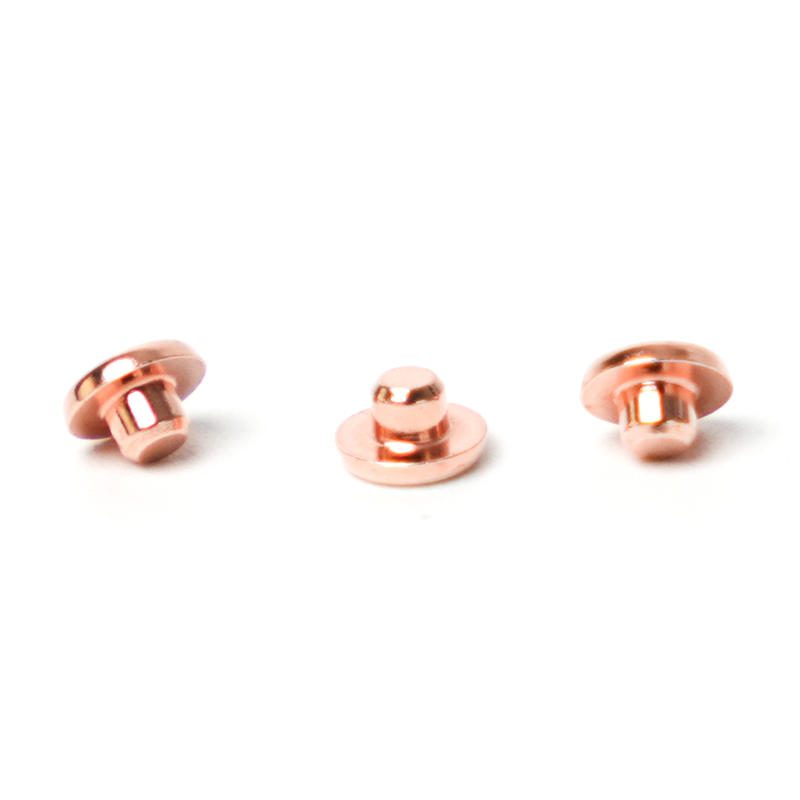
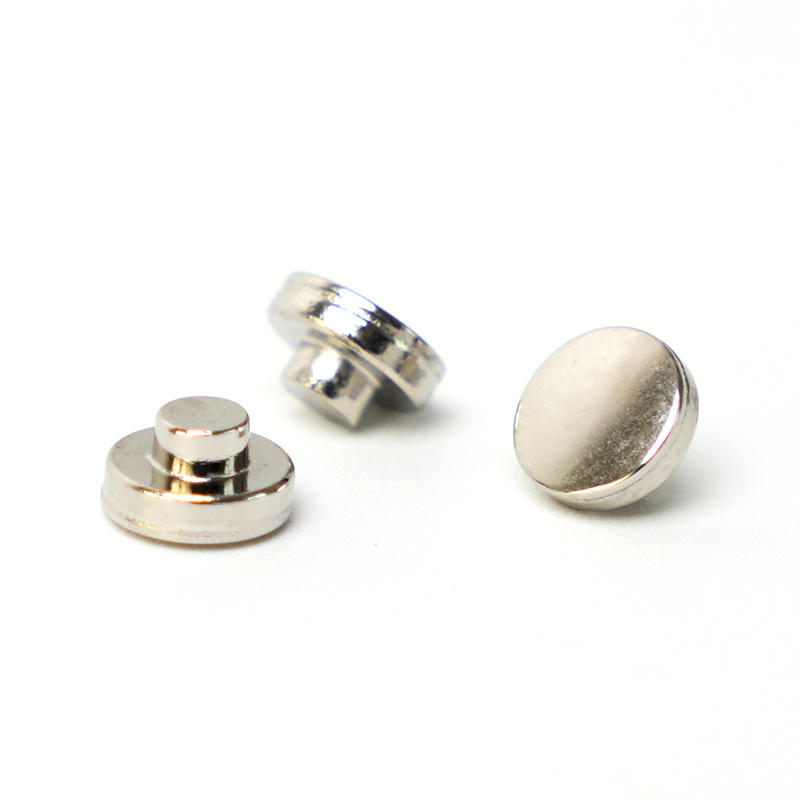
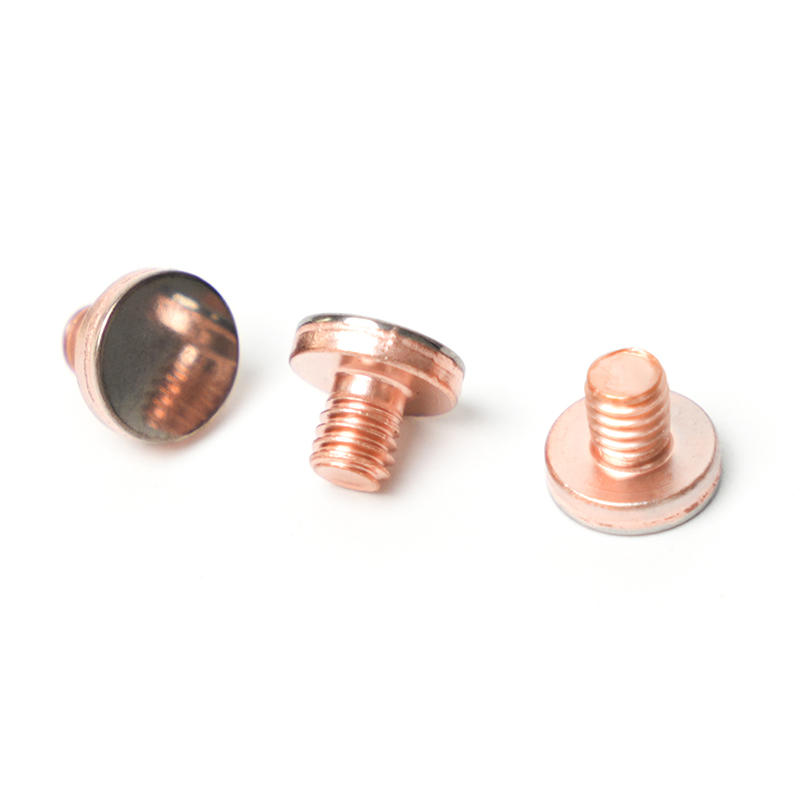
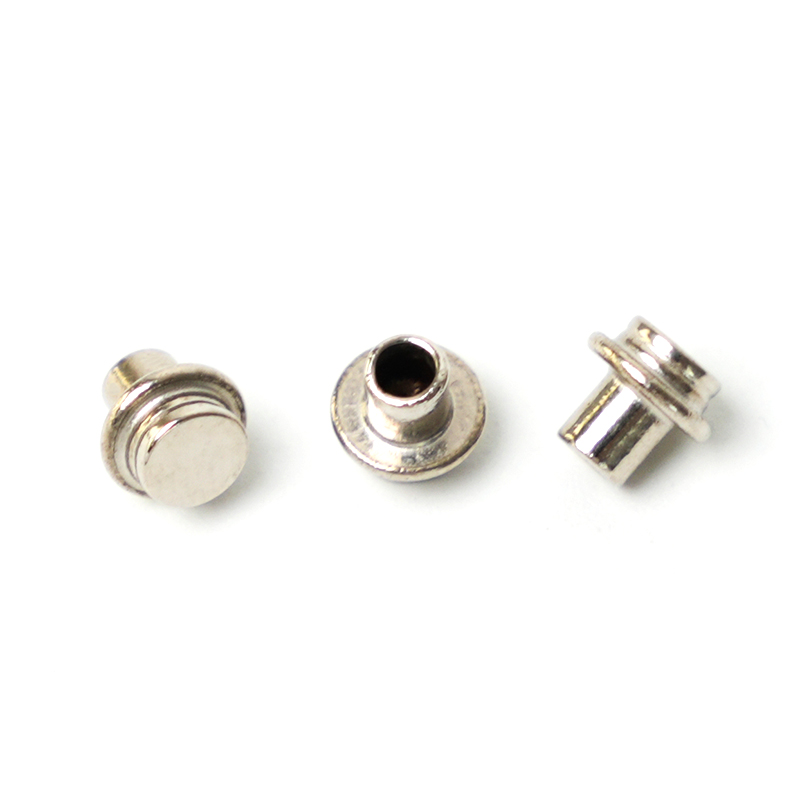
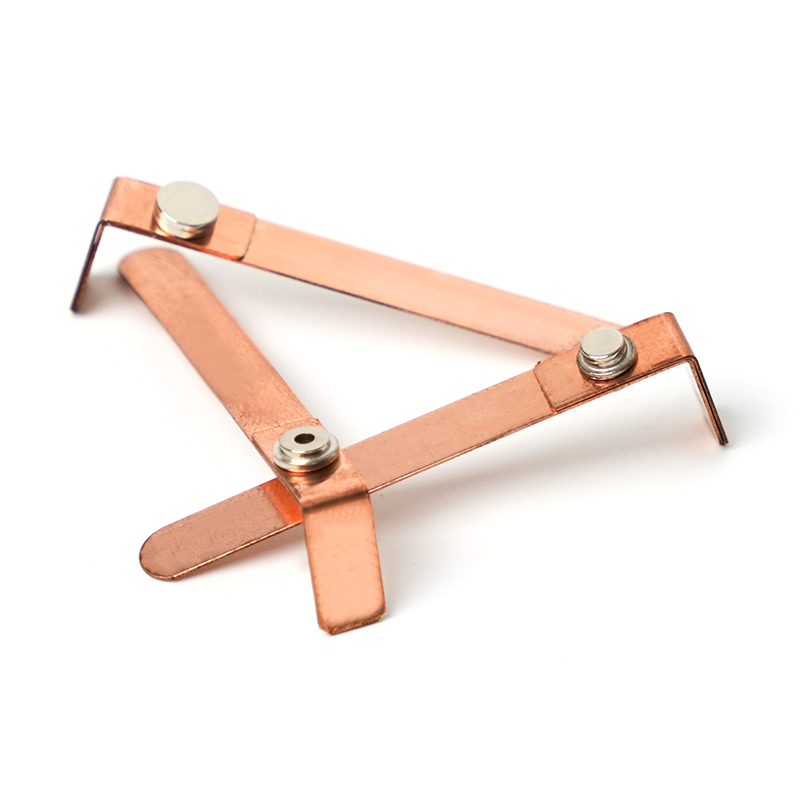
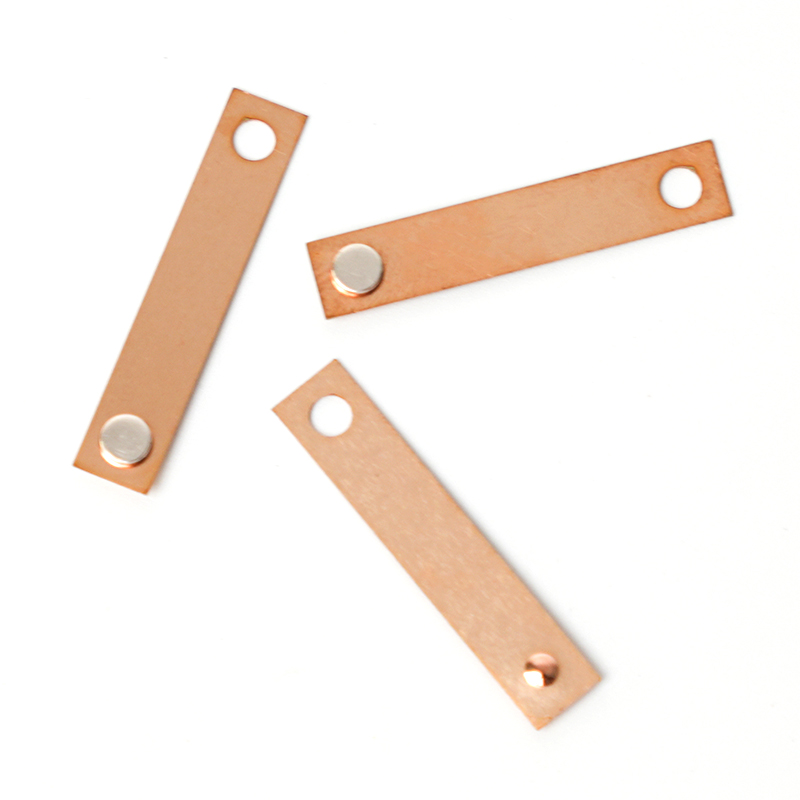
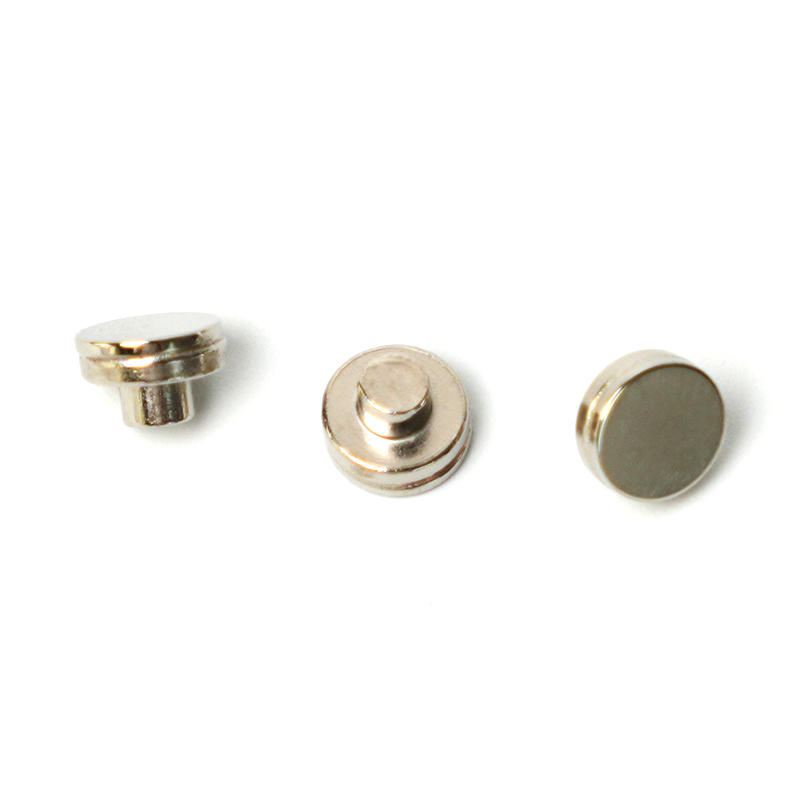
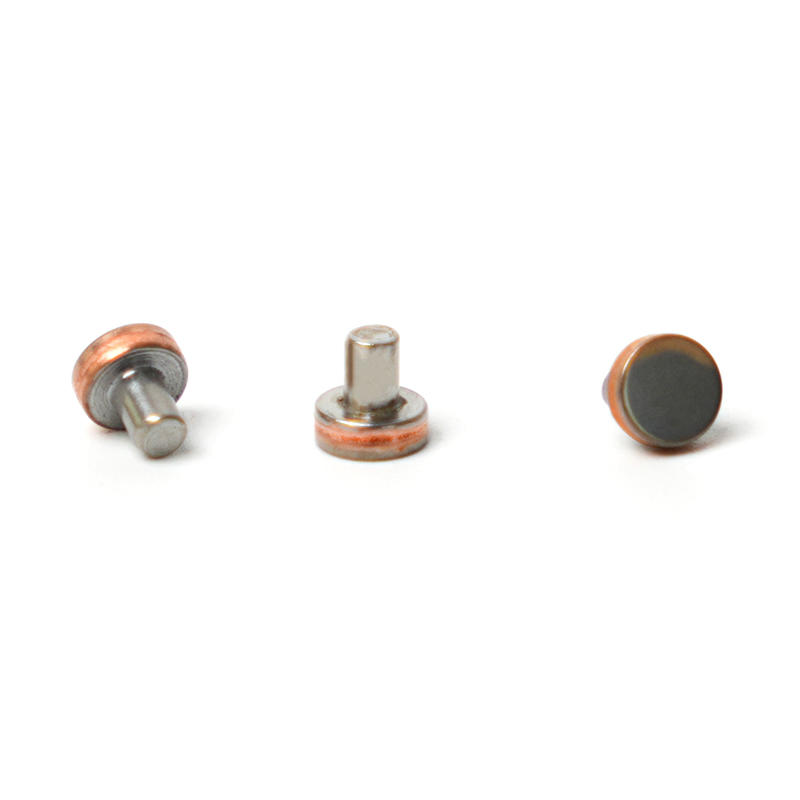
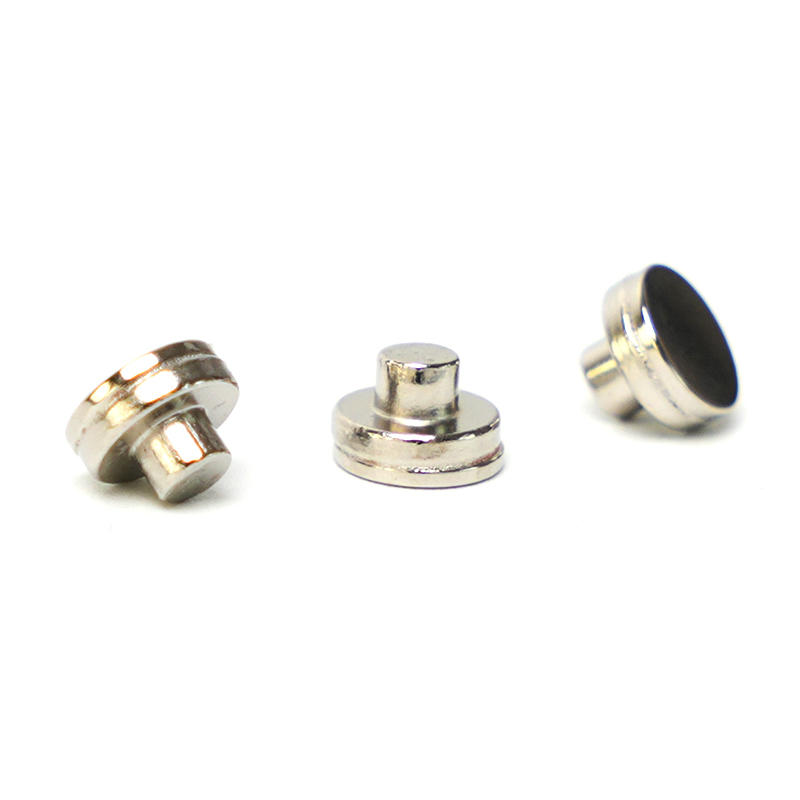
Bimetal contact rivets are specialized electrical components used in various applications to facilitate the flow of electric current between two conductive surfaces. They are designed to provide a reliable and durable electrical connection while withstanding the mechanical stress associated with their installation. These rivets consist of two distinct metals bonded together, each serving a specific purpose in ensuring effective electrical connectivity.
The Functionality and Mechanism of Bimetal Contact Rivets
Electrical Conductivity and Low Resistance:
Electrical conductivity is a fundamental property of metals that allows them to conduct electric current efficiently. Bimetal contact rivets are engineered to exploit the high electrical conductivity of one of their metal layers, typically silver, silver alloys, or copper. The contact layer is responsible for establishing and maintaining a low-resistance electrical connection. This is crucial in electrical applications where minimizing energy loss and heat generation is essential.
Low Resistance: The low-resistance characteristic of
bimetal contact rivets ensures that the electrical connection they provide does not introduce significant resistance into the circuit. High resistance can result in voltage drops, energy loss in the form of heat, and diminished performance, which is undesirable in most electrical systems.
Heat Dissipation: Bimetal contact rivets also excel at dissipating heat. When electrical current flows through them, the resistance of the contact layer causes localized heating. This heating effect is more pronounced at the points of contact, where contaminants tend to accumulate. Bimetal rivets efficiently conduct and distribute this heat away from the contact point, preventing localized overheating and ensuring the longevity of the electrical connection.
Self-Cleaning Action:
Contaminant Accumulation: In many electrical applications, contacts are exposed to the surrounding environment, leading to the accumulation of surface contaminants over time. These contaminants can include oxidation, dust, moisture, and other particles. When these contaminants build up on the contact surface, they can increase resistance, leading to poor electrical performance.
Self-Cleaning Mechanism: Bimetal contact rivets possess a self-cleaning mechanism driven by their unique construction and electrical characteristics. As current flows through the rivet, the electrical contact layer experiences localized heating due to its resistance. This heating effect is more pronounced at the points of contact, where contaminants tend to accumulate. The higher temperature at these contact points causes the contact material, often silver or a silver alloy, to undergo a phase change and migrate to areas with lower temperature and fewer contaminants. This migration effectively cleans the contact surface, ensuring that it remains free from obstructive contaminants and maintains a consistent and low-resistance electrical connection.
Temperature-Responsive Behavior:
Coefficient of Thermal Expansion: Bimetal contact rivets exhibit a temperature-responsive behavior due to the different coefficients of thermal expansion of the two metals used in their construction. The coefficient of thermal expansion is a measure of how a material expands or contracts when exposed to temperature changes.
Bending or Flexing: When exposed to temperature variations, the two metal layers in the bimetal contact rivet expand or contract at different rates. This results in controlled bending or flexing of the rivet. The extent of this flexing is predictable and can be precisely engineered based on the properties of the metals used.
Applications in Thermostats: This temperature-responsive behavior is harnessed in devices like thermostats. Bimetal contact rivets are used as switching elements in thermostats to open or close electrical circuits in response to temperature fluctuations. As the temperature changes, the rivet's controlled bending motion triggers the switching action, enabling precise temperature control in applications such as heating and cooling systems.
Diverse Applications of Bimetal Contact Rivets
Thermostats and Temperature Control Systems:
Role: Bimetal contact rivets are extensively used in thermostats and temperature control systems. In these applications, they act as switching elements that regulate heating and cooling processes in various devices and appliances.
Function: When the temperature rises or falls beyond a set threshold, the bimetal contact rivets undergo a controlled bending or flexing motion due to their temperature-responsive behavior. This motion either opens or closes the electrical circuit, triggering the heating or cooling system as needed. This precise temperature control is crucial in appliances like ovens, air conditioners, water heaters, and refrigerators.
Circuit Protection Devices:
Role:
Bimetal contact rivets play a critical role in circuit protection devices such as circuit breakers and overload relays.
Function: In the event of excessive current flow or a fault in the electrical circuit, these rivets are designed to interrupt the flow of electricity quickly. Their ability to handle high current levels and their responsiveness to temperature variations make them ideal for safeguarding electrical systems from damage caused by short circuits and overloads.
Electrical Switches and Contactors:
Role: Bimetal contact rivets are used in various types of electrical switches, contactors, and relays.
Function: In these devices, the rivets are responsible for establishing and breaking electrical connections reliably. They ensure that the switches operate efficiently and consistently, making them suitable for a wide range of applications, from household lighting controls to industrial automation systems.
Automotive Industry:
Role: Bimetal contact rivets are employed in automotive components, making them integral to the automotive industry.
Function: In automotive applications, these rivets are used in relays, switches, and ignition systems. They must withstand temperature fluctuations, vibrations, and mechanical stress while ensuring reliable electrical connections in vehicles. Their temperature-responsive behavior is advantageous in controlling various systems within automobiles.
Household Appliances:
Role: Bimetal contact rivets can be found in a variety of household appliances.
Function: They are used in devices such as microwave ovens, washing machines, dishwashers, and coffee makers, where they contribute to the control and safety mechanisms of these appliances. For instance, in a microwave oven, bimetal contact rivets may help control the oven's temperature and power settings.
Industrial Equipment:
Role: In industrial machinery and equipment, bimetal contact rivets are employed to ensure reliable electrical connections and safety.
Function: They are used in applications ranging from heavy-duty switches in manufacturing equipment to control systems in processing plants. Their ability to handle high currents and their durability make them essential components in industrial settings.
Electrical Panels and Distribution Systems:
Role: Bimetal contact rivets can be found in electrical panels and distribution systems.
Function: They contribute to the efficient and safe distribution of electricity within buildings and facilities. Their use ensures that electrical connections within these systems remain reliable and can handle the required current loads.
Renewable Energy Systems:
Role:
Electrical Contact play a role in renewable energy systems, such as solar inverters and wind turbine controls.
Function: They are used to create reliable electrical connections and switches that control the flow of electricity generated by renewable sources. Their ability to handle varying temperatures and currents is valuable in these applications.
 English
 中文简体
中文简体















 Custom Electrical Contact Manufacturers